
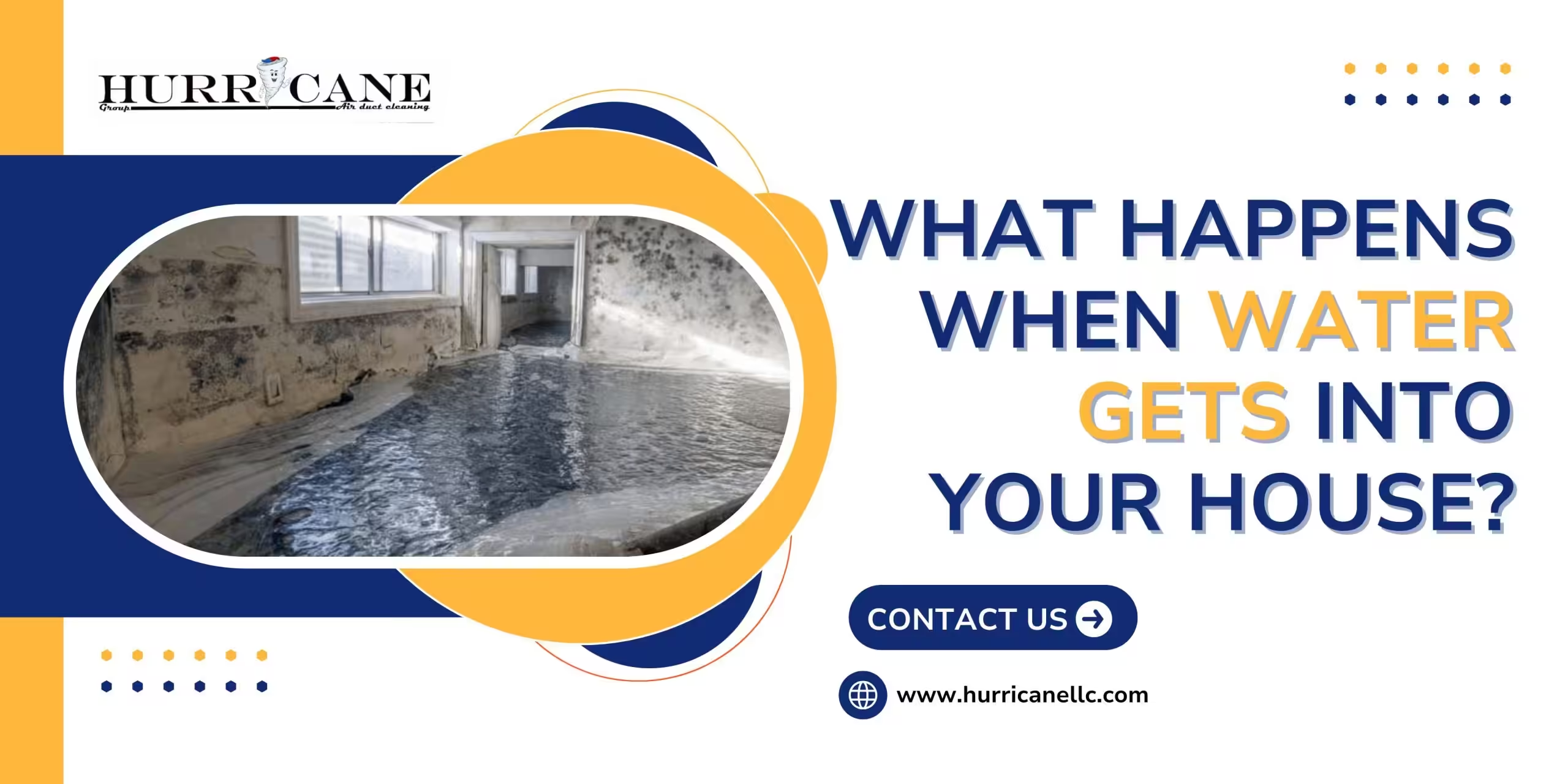
The water inside homes causes major problems that families often don’t consider until something bad happens. Pipes burst, roofs leak, and storms flood basements while everyone sleeps upstairs. Most sixth-grade students never worry about water damage because adults handle these household problems. However, water issues can make families lose their favorite belongings, move out temporarily, and spend tons of money.
The worst part about water damage is how quickly it spreads through floors, walls, and furniture once it starts flowing where it should not belong.
How Water Gets Into Houses?
Water inside homes causes problems from many different sources throughout every single year. Heavy rains overwhelm gutters, pipes freeze during winter, and washing machines break while running loads.
Bathrooms create water damage when toilets overflow, shower seals crack, or faucets drip behind walls for months without anyone noticing the problem worsening.
Kitchens also cause water issues through:
- Dishwashers that leak underneath
- Refrigerator water lines that burst
- Sinks with loose connections
- Garbage disposals that crack
Basements flood when heavy storms overwhelm drainage systems, or groundwater rises higher than usual during wet seasons.
What does water do inside homes?
Water inside homes, starting with floors and moving up walls into ceilings if nobody stops it quickly enough. Carpets soak up water like giant sponges that never dry out completely.
Wood floors warp, buckle, and separate when water sits on them for a few hours. Hardwood costs thousands of dollars to replace once water damage makes it unsafe.
Drywall soaks up water from the bottom, creating perfect mold growth conditions that make the air dangerous. Mold spreads fast through walls where families cannot see it happening.
Electronics stop working when water reaches them. Computers, televisions, and game systems all get ruined by even small amounts of moisture getting inside their cases.
Getting Help When Water is inside homes
Water Damage Restoration Services near Me become super important when families need professional help fixing water problems that are too big to handle alone. These experts know exactly what steps to take.
Restoration workers arrive with special equipment that removes water from carpets, walls, and furniture much faster than regular fans or towels could ever manage. Speed matters because mold starts growing within 24 hours.
Professional teams also have tools that detect hidden water behind walls or under floors where families might not notice problems until severe damage has already occurred.
The restoration process usually includes several essential steps that trained workers follow to make homes safe for families to live comfortably.
Why Does Atlanta Have Special Water Challenges?
Water Damage Atlanta situations happen more often than in other cities because of the climate, older buildings, and heavy storm seasons that bring lots of rain quickly.
Atlanta gets severe thunderstorms during the spring months that dump several inches of rain in just a few hours. Storm drains cannot handle that much water at once.
Many Atlanta homes were built decades ago when construction standards were different. Older pipes, roofs, and foundations develop problems as they age beyond their expected lifespan.
The clay soil around Atlanta doesn’t absorb rainwater very well, which means more water runs toward houses instead of soaking into the ground naturally.
Steps Families Should Take Right Away
Turn off the electricity in rooms where water is present before moving anything or walking through flooded areas. Water plus electricity creates dangerous situations.
Remove as much standing water as possible using buckets, mops, and towels while waiting for professional help to arrive with better equipment.
Take photos of damaged items for insurance claims before throwing anything away. Insurance companies need proof of what was ruined by water.
Move undamaged belongings to dry areas of the house where they will stay safe while repairs happen in the affected rooms.
Final Words
Check pipes under sinks regularly for signs of leaks like water stains, rust, or dripping sounds that indicate problems developing slowly over time.
Clean gutters twice yearly so rainwater flows away from the house foundation instead of overflowing onto the ground near the walls.
Know where the main water shutoff valve is located so anyone can turn off the water quickly if pipes burst or other emergencies happen.
Replace old appliances before they break down completely. Wash machines, water heaters, and dishwashers have expected lifespans that homeowners should track carefully.


 हिन्दी
 English
 Español
 Español de Colombia
 Español de México
 简体中文
 Tagalog
 Tiếng Việt
 Français
 한국어
 Português do Brasil
 Deutsch
 Polski
